

Wet shade gardens may have poor drainage, be situated in low areas, or occupy the soil around water features, ponds, or streams.
Designing a Garden for Wet Shade
Generally speaking, plants that thrive in wet shade tend to go dormant in Winter when drainage is at its worst, so wet landscapes can be especially barren in the cold, wet months. Perennials often go fully dormant back to the ground, while trees and shrubs lose their leaves. Utilizing boulders, water features, or statuary can keep wet shady gardens interesting even during the months when plants are not the focal point!
Some plants that do well in wet shade tend to have strong, rigid grass-like foliage, like Irises, Juncus, and many Spring-flowering bulbs. Other plants for wet shade have large, thick leaves like Hosta or Calla Lily. Feathery, fine-textured leaves of Astilbe, Filipendula, and Maidenhair Fern represent the other broad group of plants that can tolerate wet shade.
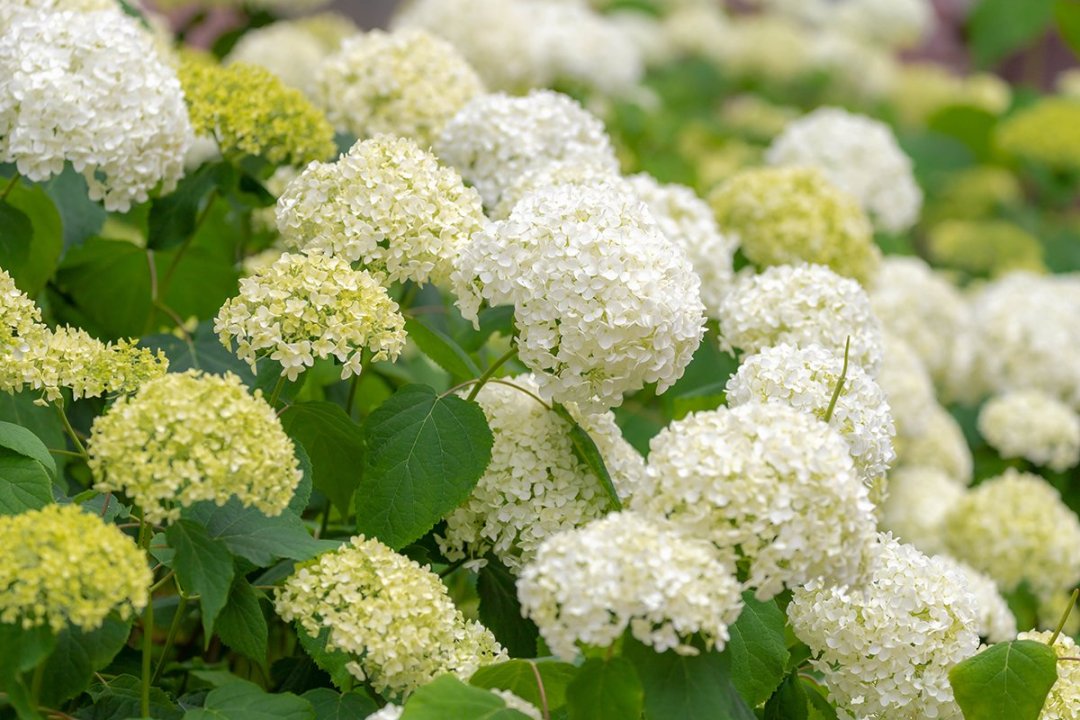


Combine upright, rigid leaves with dramatically large leaves and accent with feathery foliage to create an understory that is dynamic, interesting, and doesn’t rely too heavily on one type of plant to make up the bulk of the planting. Dot in taller trees or shrubs like Twig Dogwood or Summersweet for height and the interest they add even when they lose their leaves.
Tips for Gardening in Wet Shade
- To assist with heavy soil plagued by poor drainage, mix compost with the existing soil prior to planting, especially if the soil has high clay content. Compost introduces organic matter back into the soil, which creates pockets of oxygen that are essential for proper root development.
- Avoid planting lawns in wet shade—they will be thin, mucky, and an eye-sore even during the best months of the year. Rather than lawns, create seating areas or water features in wet shady locations and turn difficult areas into destinations in the garden.
Discover more detailed information about shade gardening here!

Plants for Wet Shade
Shrubs & Trees
- Vine Maple (Acer circinatum): Deciduous, Native
- Summersweet (Clethera alnifolia): Deciduous, Fragrant
- Red Twig Dogwood (Cornus stolonifera): Decidous, Native
- Salal (Gaultheria shallon): Evergreen, Native
- Bigleaf Hydrangea (Hydrangea macrophylla): Deciduous
- Smooth Hydrangea (Hydrangea arborescens): Deciduous
- Coast Redwood (Sequoia sempervirens): Evergreen, Native
Perennials
- Sweet Flag (Acorus calamus): Evergreen
- False Spiraea (Astilbe sp.): Herbaceous
- Sedge (Carex sp.): Evergreen
- Turtle Heads (Chelone sp.): Herbaceous
- Meadowsweet (Filipendula ulmaria): Herbaceous
- Plantain Lily (Hosta plantaginea): Herbaceous
- Japanese Forest Grass (Hakonechloa macra): Herbaceous
- Maidenhair Fern (Adiantum sp.): Evergreen or Deciduous, Native
- Rush (Juncus sp.): Evergreen, Native
- Forget-Me-Not (Myosotis sylvatica): Herbaceous
- Calla Lily (Zantedeschia aethiopica): Herbaceous
Bulbs
- Crocus (Crocus sp.): Spring blooming, Summer dormant
- Snowdrop (Galanthus nivalis): Spring blooming, Summer dormant
- Grape Hyacinth (Muscari sp.): Spring blooming, Summer dormant
- Daffodil or Jonquil (Narcissus sp.): Spring blooming, Summer dormant, Fragrant
Groundcovers
- Dead Nettle (Lamium maculatum): Herbaceous
- Dwarf Periwinkle (Vinca minor): Evergreen
- Creeping Jenny (Lysimachia nummularia): Semi-Evergreen
- Corsican Mint (Mentha requienii): Herbaceous, Fragrant
- Japanese Spurge (Pachysandra terminalis): Evergreen
- Baby's Tears (Soleirolia soleirolii): Herbaceous
Our experts at Dennis’ 7 Dees Garden Centers can help you find the perfect shade plants for your particular outdoor space. Visit our stores to find a wide selection of varieties of each of the excellent, garden-worthy plants in the lists above, available year-round. By mixing textures and hues of green, and inserting silvery or chartreuse foliage, you can create a shade garden that is dynamic, beautiful, and best of all, successful!